The Nauru passport is more than just a travel document; it symbolizes the identity and sovereignty of one of the world’s smallest nations. With a population of around 10,000 and a land area of just 21 square kilometers, Nauru has carved out its place in the international community. This article delves into the unique attributes of the Nauru passport, its application process, the benefits it offers, and tips for prospective travelers. For more detailed information, you can visit Nauru Passport naurupassport.net/.
Understanding the Nauru Passport
The Nauru passport is an official document issued by the government of Nauru that allows its citizens to travel internationally. While small in size, this passport accommodates the travel interests of Nauru’s citizens, providing a crucial link to the rest of the world. It is governed by Nauru’s immigration policies and follows international standards applicable to travel documents.
History of the Nauru Passport
Introduced in the 1970s after Nauru gained independence, the Nauru passport has undergone several changes to reflect the evolving political and social landscape of the nation. Initially, Nauru’s immigration policies aimed to protect its citizens and control the flow of foreign nationals, but as globalization took hold, these policies had to adapt to keep pace with international norms.
Features of the Nauru Passport
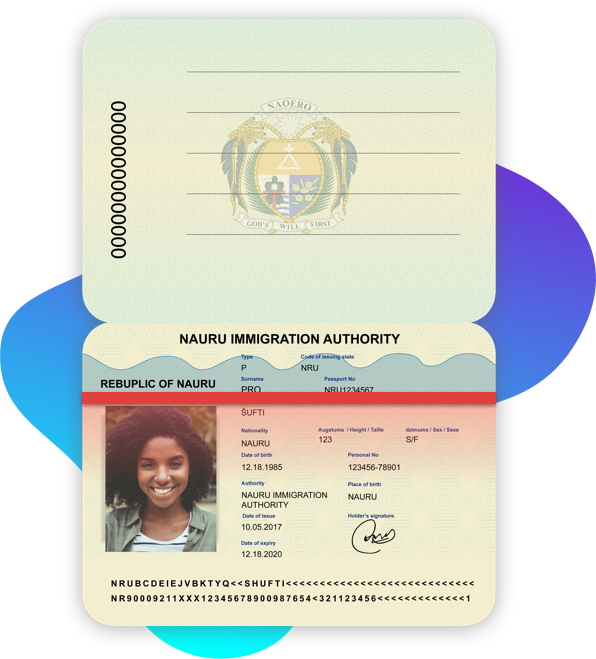
The Nauru passport is purple in color, featuring the national emblem on the cover, which is a depiction of the island’s unique flora and fauna. The document includes biometric features designed to enhance security and prevent counterfeit reproduction. Each passport contains personal information such as the holder’s name, date of birth, and photograph, protecting against identity theft.
Eligibility for Obtaining a Nauru Passport
To apply for a Nauru passport, individuals must meet certain eligibility criteria. Primarily, the applicant must be a citizen of Nauru. Proof of citizenship can be established through birth records, citizenship certificates, or parental documentation for minors. Applicants must also provide identification and meet any additional documentation requirements set forth by the immigration authority.
The Application Process
The application process for acquiring a Nauru passport typically involves several key steps:
- Gather Required Documents: Applicants need to collect all necessary documents, such as proof of citizenship, identification, and any other relevant paperwork.
- Submit Application: Applications can often be submitted online or in person at designated government offices. It is essential to fill out the application forms accurately, ensuring that all information matches the supporting documents.
- Pay Fees: A processing fee is usually required, which varies depending on the type of passport being issued (standard or expedited).
- Wait for Processing: Once submitted, the application undergoes a verification process that can take anywhere from a few days to a few weeks, depending on the volume of applications and government efficiency.
- Receive Passport: If approved, the passport can be collected from the office or delivered via mail, depending on the chosen procedure.
Benefits of the Nauru Passport
While the Nauru passport does not provide visa-free access to a wide array of countries, it offers significant benefits for its holders:

- Visa-Free Access: Nauru passport holders can travel to several countries and territories without the need for a visa, including the Cook Islands, Fiji, Israel, and Micronesia.
- Enhanced Security Features: The passport includes biometric data and other security measures that help protect against identity theft and fraud.
- Access to Consular Services: Nauru citizens traveling abroad can benefit from support and assistance provided by Nauru’s embassies and consulates.
- Expression of National Identity: Holding a Nauru passport serves as a testament to the holder’s unique identity and connection to their homeland, fostering a sense of pride and belonging.
Challenges Faced by Nauru Passport Holders
Despite its advantages, Nauru passport holders do encounter certain challenges when traveling internationally:
- Limited Visa-Free Travel: The passport does not provide extensive visa-free travel options compared to passports from larger countries. This can complicate travel plans for Nauru citizens who wish to explore certain regions.
- Economic Limitations: Nauru’s economy is dependent on a few industries and has faced instability, which can impact the resources available for maintaining and evolving its passport services.
- International Representation: With limited diplomatic representation globally, Nauru citizens may face challenges accessing consular services when traveling abroad.
Travel Tips for Nauru Passport Holders
To navigate international travel with a Nauru passport effectively, consider the following tips:
- Research Visa Requirements: Before planning a trip, check the visa requirements for your desired destination. Some countries may require visas in advance, so allow yourself ample time to apply.
- Keep Documents Updated: Ensure your passport is valid for at least six months beyond your intended travel dates, as many countries require this for entry.
- Stay Informed: Keep up with travel advisories and immigration regulations that may affect your travels, especially given the dynamic nature of international relations.
- Engage with the Nauru Embassy: Contact Nauru’s embassy or consulate for assistance with travel-related queries and support in the event of emergencies.
Conclusion
The Nauru passport, while perhaps not as globally recognized as its counterparts from larger countries, still serves as an essential tool for its citizens. It embodies national pride and facilitates the international mobility of Nauruans. By understanding its features, eligibility requirements, and the broader implications of holding a Nauru passport, citizens can maximize the benefits it offers while effectively navigating the challenges associated with international travel.